
Application of the M.O.I.S.T. concept to the healing of chronic wounds
M.O.I.S.T. (Moisture balance, Oxygen balance, Infection control, Supporting strategies and Tissue management) is an educational model that has been created to support healthcare practitioners in the systematic planning and delivery of topical treatment of chronic wounds. It extends beyond the principles of T.I.M.E. (Tissue management, Infection control, Moisture balance and Epithelial (or Edge) advancement; Schultz […]
UrgoStart in Real Life
Chronic wounds are a challenge to clinicians involved in wound management and pose huge financial burdens on healthcare systems, while also having devastating effects on patients and their families.1 Chronic wounds are classified by aetiology, specifically, diabetic foot ulcers (DFUs), venous and arterial lower limb ulcers (LUs), and pressure injuries (PIs), as a consequence of […]
Keeping it clean

Salutations and greetings to the wound family! We present to you another edition of the Wounds APAC journal. Firstly, I would like to take this opportunity to record my heartfelt condolences to the family of Professor Greg Schultz for their loss. Greg was a great icon in wound circles. He was an obstetrician and gynaecologist […]
Chronic wounds: a rising public health concern
Wounds, particularly chronic wounds, are a matter of concern for patients and clinicians alike. Chronic wounds are defined as wounds that have failed to progress in an orderly and timely manner to restore the anatomic and functional integrity of the injured site. Chronic wounds represent a significant burden to patients, healthcare professionals and the entire […]
Incorporation of nano-copper solution in wound bed preparation to facilitate wound healing: a case series
In recent years, nanotechnology has been integrated into biomedical applications. Nanoparticles are efficacious in field of wound care, due their versatile therapeutic action in various stages of wound healing (Pérez et al, 2023). Their small size ranging between 1 to 100nm and large contact area increases the likelihood of bio-interaction and permeability at the wound […]
Management of diabetic foot ulcers with Polyabsorbent fibres dressing with technology lipido-colloid and silver
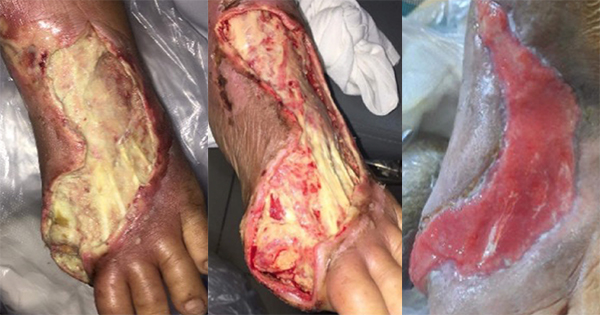
In 2019, the global diabetes prevalence was estimated to be 9.3% (463 million people), which is anticipated to rise to 10.2% (578 million) by 2030 and 10.9% (700 million) by 2045, and unfortunately, one in two (50.1%) people living with diabetes do not know that they have diabetes (Saeedi et al, 2019). In Vietnam, by 2030, […]
Surgical site infection implantable cardiac devices and wound treatment methods with negative pressure wound therapy: a case report
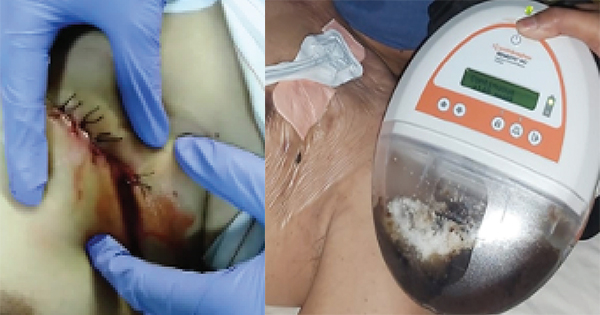
Implantable cardiac devices were first used in the 1950s, with the first implant pacemaker in a human carried out in 1958 by Dr. Senning (Haghjoo, 2018). Since then their use has continued to increase because of the effectiveness of these devices in increasing the life expectancy of patients with arrhythmias (Kotalczy K, 2020). There are […]
Utilisation of red deer umbilical cord lining stem cells in the restoration of skin elasticity: case series
The Harikrishna Periwound Skin Classification 2015 (HPSC) is a good clinical instrument for assessing the state of health of the wound bed and its periwound skin. On the HPSC scale of 0 to 5, Class 0 represents normal skin, Class 1 represents fibrous tissue or tissue otherwise at risk, Class 2 represents wounds with exudate […]
Clinical profile of hospital-acquired pressure injuries among older people during the COVID-19 pandemic

The first case of COVID-19 infection in the Philippines was documented in late January 2020. The pandemic brought an unprecedented challenge to healthcare service delivery and mostly affected the vulnerable, older and immunocompromised population. During this time, there was rapid implementation of social restrictions and older people who were not fully vaccinated against COVID-19 were […]
Utilisation of gentamicin-impregnated collagen sponge for the treatment of an infected lower-limb wound: a case report
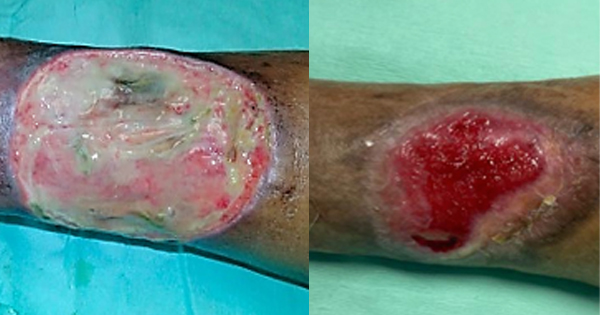
Acute wounds follow the trajectory of four phases of wound healing, namely: hemostasis, inflammation, proliferation and maturation (Gosain et al, 2004). Wound healing may be impaired by various factors with infection being a strong extrinsic cause. Pathogenic bacteria proliferate and induce inflammatory responses that upregulate cytokines and overexpression of matrix metalloproteases (MMPs; Demidova et al, […]
Welcome to Wounds APAC and the 5th Global WoundCare conference

Dear wound friends and family, it gives me great pride and honour to present to you a spectacular edition of the newly launched Wounds APAC journal. This is an update of Wounds Asia to include the Pacific regoin, and, as always, this is the free resource and the premier wound care journal of the Asia-Pacific […]
Minced skin graft’s cost effectiveness

Chronic wounds have been described as a silent epidemic that affects a large part of the world’s population (Graves et al 2022) and some studies have defined chronic based on time to healing, with a range from 4 weeks up to more than 3 months (Mekkes et al, 2003; Mustoe et al, 2006; Leaper and […]
Single-use portable negative pressure wound therapy (NPWT) and traditional NPWT in postoperative diabetic foot ulcer: a case series
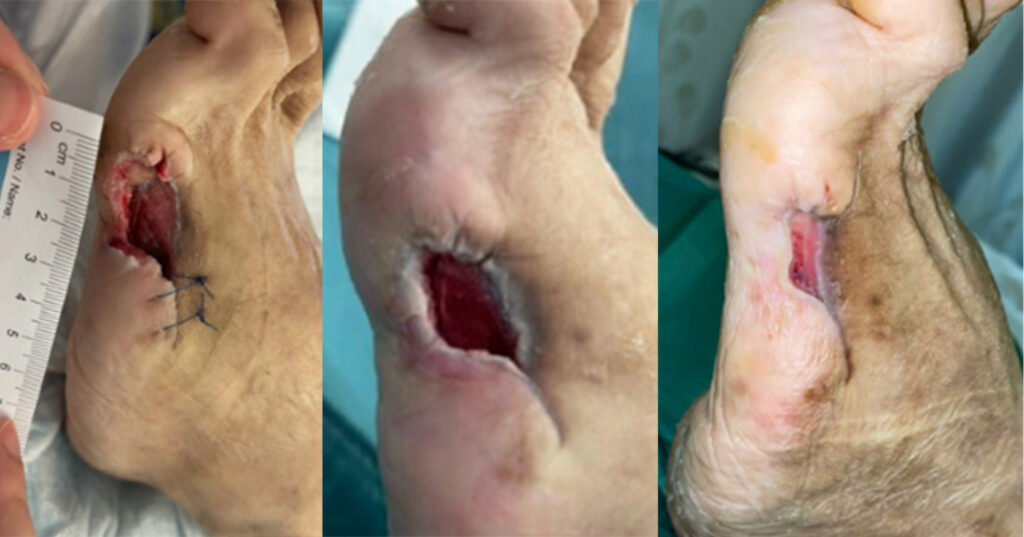
Diabetic foot ulcers (DFU) is a serious, yet common, complication of diabetes mellitus with its global prevalence ranging from 3% to 13% (Zhang et al, 2017). The lifetime risk for any patient with diabetes of developing foot ulceration is up to 25% (Singh et al, 2005). These wounds frequently become infected, contributing to possible spread […]
Effect of carboxymethylcellulose alginate hydrogel on wound healing: a case series
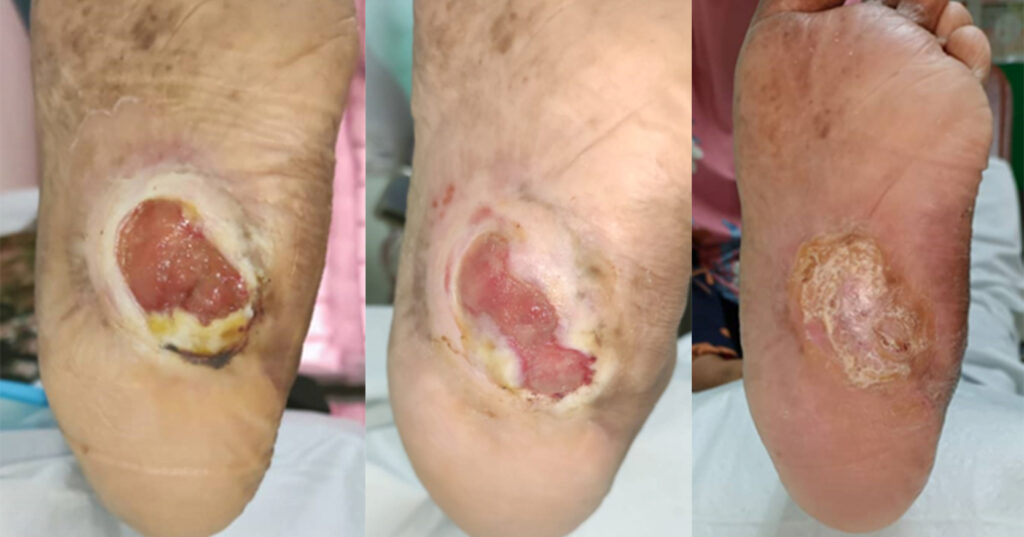
Autolytic debridement is the lysis or breakdown, of damaged tissue in a wound that occurs as a result of the body’s natural defence mechanism using enzymes that breakdown specific components of body tissue or cells, such as protein, fibrin and collagen (Bryant and Nix, 2015). Hydrogel dressings that provides optimal conditions for the body’s natural […]
Blue Light Empirical Shine Study (BLESS) trial: a pilot case series
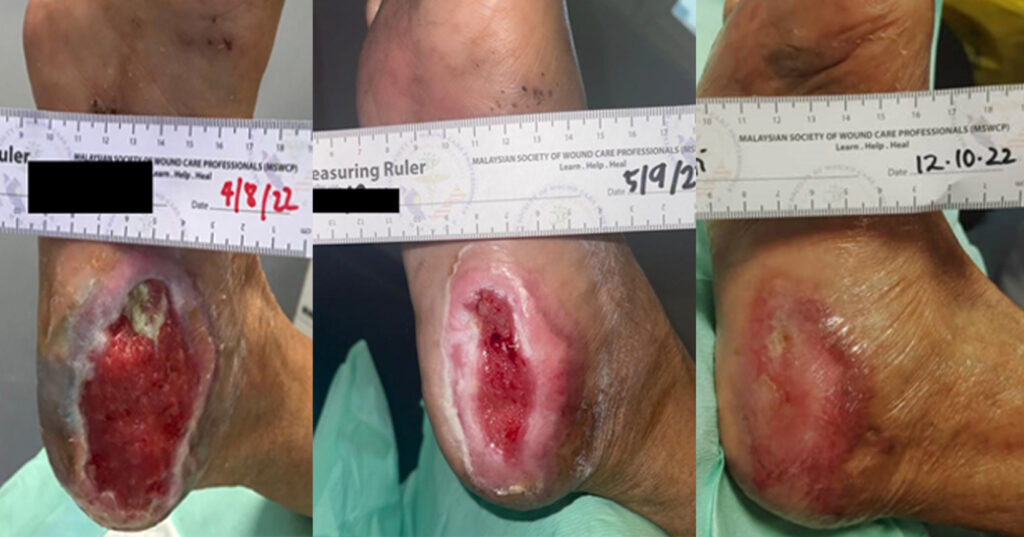
A non-healing wound is defined as a wound that has not healed by 40–50% after four weeks of good standard of care (Atkin et al, 2019). It is often associated with patients with underlying medical conditions such as diabetes and vascular diseases, as well as older people (aged 60 and above; Hall et al, 2015). […]
Use of octenidine dihydrochloride in managing chronic wounds: a case series
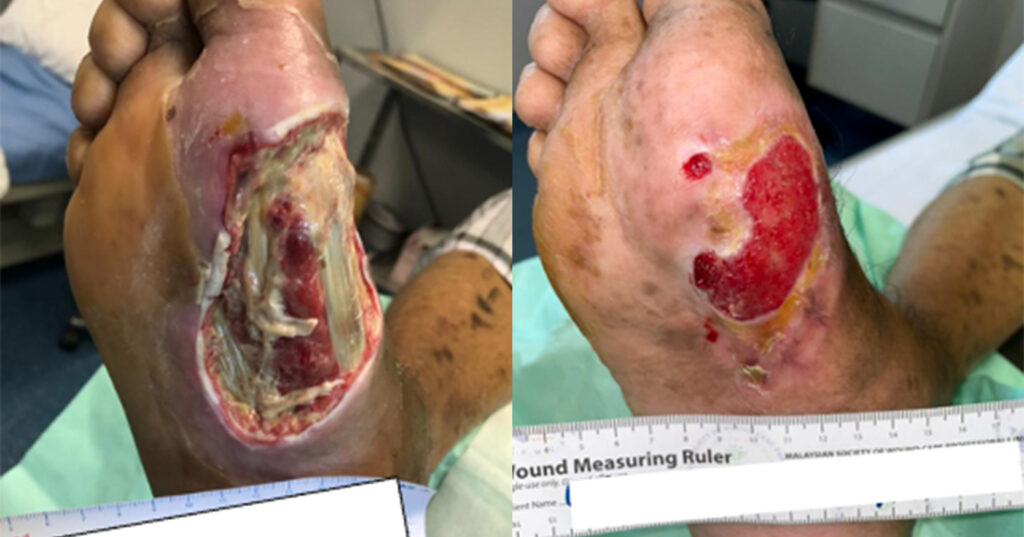
It is estimated that approximately 1–2% of the population in developed countries will suffer from a chronic wound in their lifetime (Järbrink et al, 2016). In contrast, in a developing countries, such as Malaysia, it is estimated that a higher proportion, approximately 5–10% of the population, will suffers from chronic, hard-to-heal wounds (Nair et al, […]
Effectiveness of nano-copper solution to reduce wound bioburden in chronic wounds: a case series
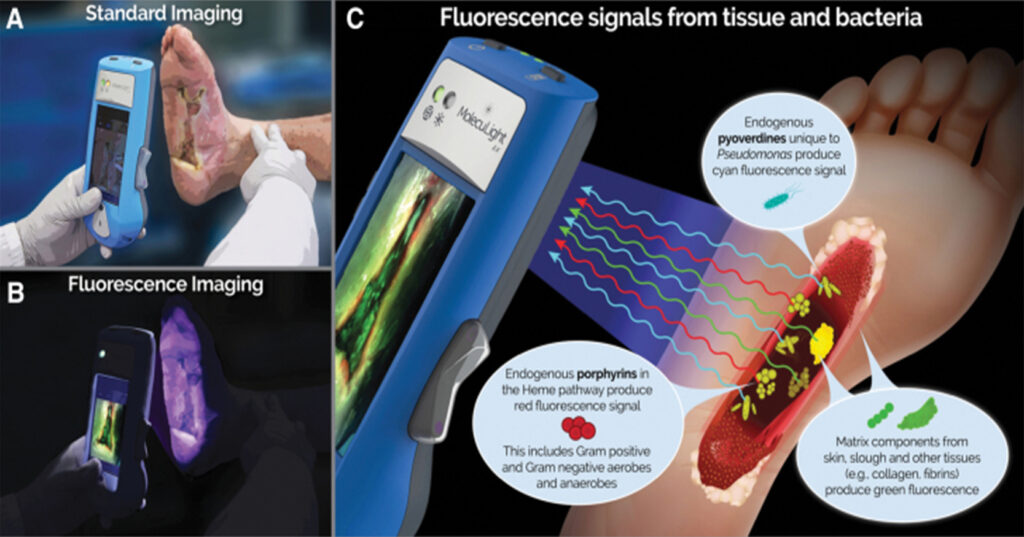
Silver (Ag) and Copper (Cu) were used in the time of the Persian monarchs for water disinfection and sanitisation, as well as for food preservation (Lemire et al, 2013). Silver foils have been used to prevent surgical wound infection, while copper compounds have been widely used in agriculture as fungicides on grapes and potatoes (Lemire […]
Evaluation of a bioactive microfibre gelling dressing in the management of chronic wounds: a case series
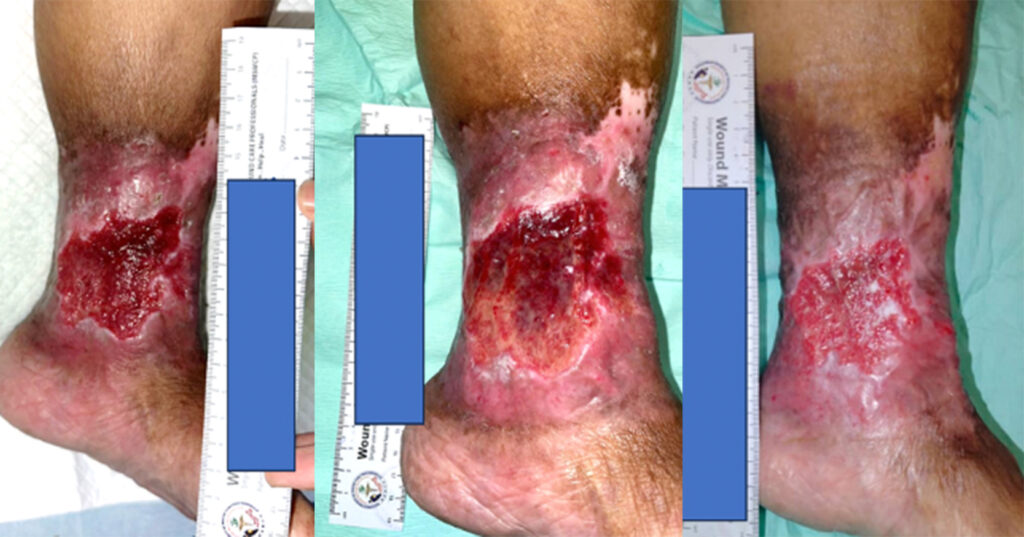
Wound healing is a complex process encompassing four distinct phases: haemostasis, inflammation, proliferation, and remodelling (Guo and DiPietro, 2010; Wang et al 2018). However, chronic or hard-to-heal wounds present a formidable challenge as they deviate from the usual healing trajectory despite appropriate treatment (Han and Ceilley, 2017)This global issue revolves around wounds that remain stuck […]
Adjunct therapies: the new way forward?

Welcome to the latest edition of Wounds Asia, the premier wound management journal of the Asia-Pacific region. Many articles have been submitted, and each one is subjected to peer review before publication. I would like to congratulate the Wounds team for managing the Wounds Asia journal and helping us to share best practice from Asia […]
Prevention of pressure injuries/ulcers and skin lesions using Sanyrene®: a narrative review of the evidence

Pressure ulcers/injuries (PU/PI) are defined as: ‘localised damage to the skin and/or underlying soft tissue usually over a bony prominence or related to a medical or other device. The injury can present as intact skin or an open ulcer and may be painful. The Injury occurs as a result of intense and/or prolonged pressure or […]
Local resource wound treatments: evidence summaries for resource-limited settings

Although accurate data on the global prevalence of wounds are limited (Martinengo et al, 2019), epidemiological data suggest that chronic wounds are increasing over time as life expectancy increases (Gupta et al, 2021). The burden of wounds is disproportionate in resource limited communities, and patterns of wounding are different to that seen in high resource […]
A rare encounter with pubic symphysis osteomyelitis: a case report
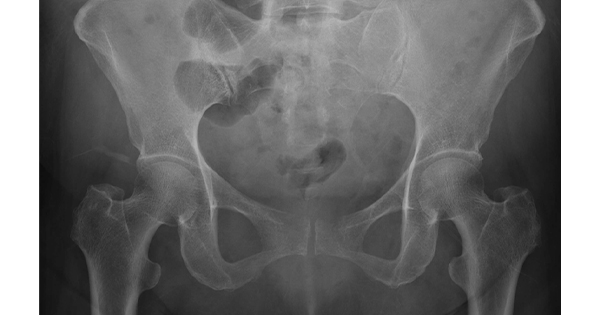
Osteomyelitis pubis is a rare condition, resulting from infection of the pubic symphysis, which accounts for less than 1% of all osteomyelitis cases (Alqahtani et al, 2014). Pathogenesis of this disease is unknown but associated with female incontinence surgery, athletic activity, pelvic malignancy, and intravenous drug user (Ross and Hu, 2003). This condition often has […]
Outpatient skin grafting of chronic wounds with over 10 times skin graft expansion: a case report
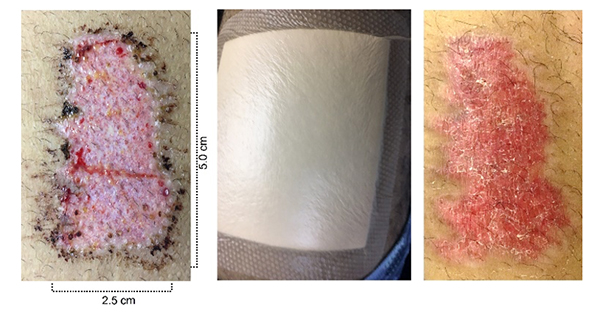
Recently, a panel of experts concluded that split-thickness skin grafting (STSG) is the single most effective treatment for chronic wounds. Skin granting techniques have been reported in the literature for over 100 years. Publications by Reverdin and Thiersch first described pinch grafting and sheet grafting respectively (Ehrenfried, 1909). In 1958 Meek described a technique to […]
Maggot debridement therapy of an older person with category IV pressure ulcer at home: a case study

Category IV pressure ulcers (PU), the most serious stage of the classification system, are challenging to heal. The blood supply may have been cut off by thick layer of necrotic tissue and the wounds have often tunnelled through all the subcutaneous layer down to muscle and bone. The loss in tissue volume together with the […]
Negative pressure wound treatment with instillation and dwell time (NPWTi-d) for the treatment of surgical wounds: a case series
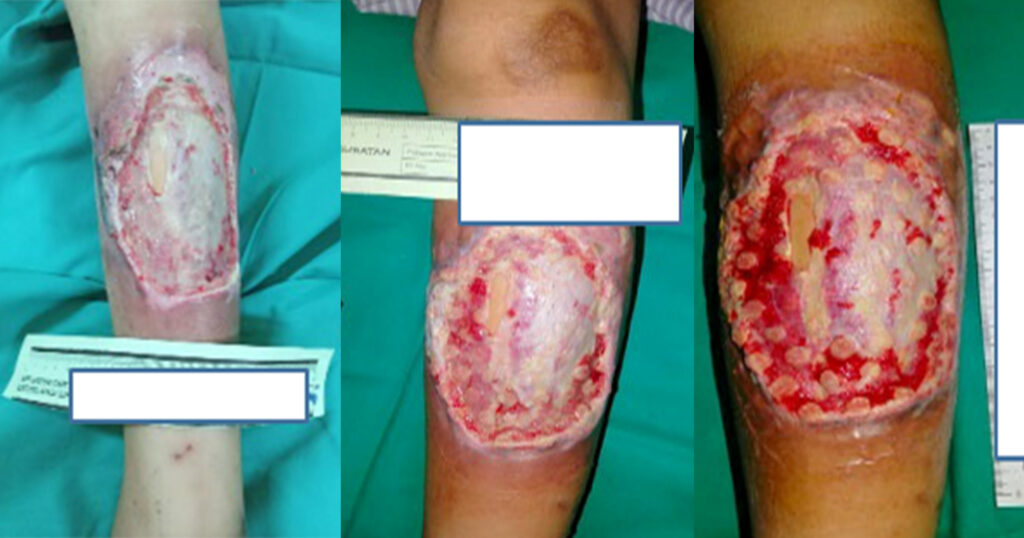
Delayed wound healing poses a significant challenge in clinical practice, furthermore, chronic wounds result in discomfort, pain, prolonged treatment, and possibly reconstructive surgery. Complications due to poor wound healing, such as infection, financial strain and human resource expenditure bring a great burden to healthcare systems. With advanced wound care treatments, such as negative pressure wound […]
The use of photo biomodulation as an adjunct therapy to aid wound healing: a case series
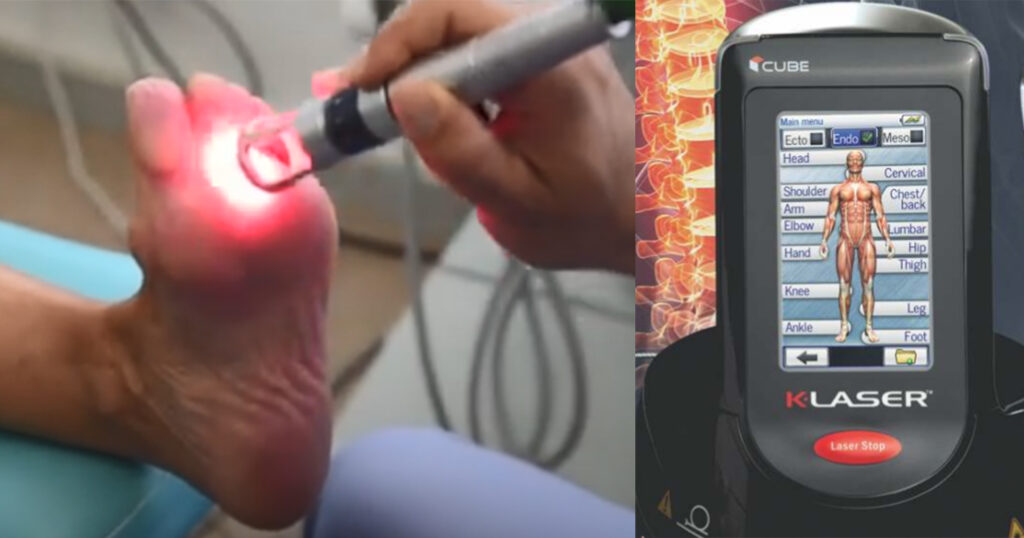
Hard-to heal wounds pose a significant challenge to both patient and healthcare providers as their healing process is often prolonged with conventional treatment (Beckmann et al, 2014). The usage of light therapy is not new and goes back to the ancient Egyptians and Indians who use sunlight (heliotherapy) for curative intent and attaining good health […]
Evaluating efficacy of total triterpenic fractions of Centella asiatica (TTFCA) in wound management: a case series
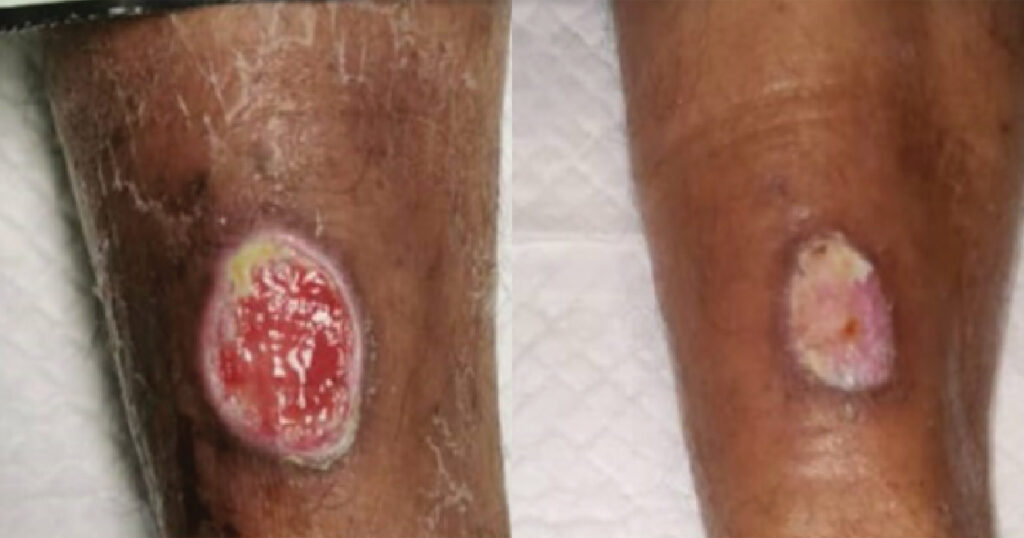
Wound healing is a complex biological process in the human body that has four phases: haemostasis, inflammation, proliferation and remodelling. For a wound to heal successfully, all four phases must take place in the right order and for the right duration (Guo and Dipietro, 2010). Diabetes, a major public health concern in Malaysia, is closely […]
Wounds digest 6-2
In this section, we present brief synopses of a range of recently published articles that may be of interest to healthcare professionals working in the wound care setting. The aim of this round-up isto provide an overview, rather than a detailed summary and critique, of the research papers selected. Full references are provided should you […]
Keloid and hypertrophic scars: a narrative review of classifications and treatments
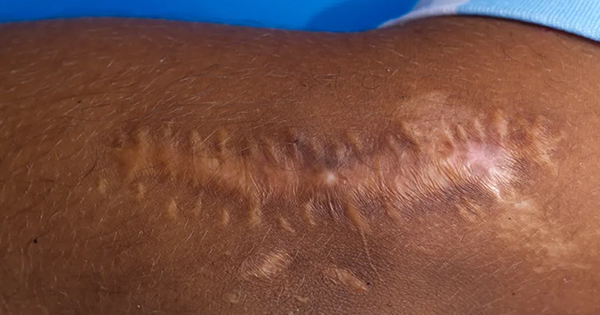
Wound healing follows a dynamic process of balanced regulation. Hypertrophic scars and keloids result from imbalances that occur in the healing process. These scars are characteristically raised as firm scars that are formed from excess fibrinogen production and collagen during healing (Berman et al, 2017). Keloids are characterised by their extensive growth which goes further […]
Welcome to 2023: share knowledge to heal wounds
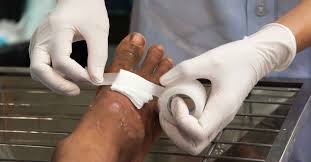
Dear friends and family of the wound world, we start 2023 with another exciting edition of Wounds Asia, which is the leading journal of the Asia-Pacific region incorporating the best and latest studies covering all levels of clinical research and practice. Wounds Asia publishes case studies, reviews, editorials, reseach papers, clinical practice, product evaluations and other technological […]
Wound care and skin tone: signs, symptoms and terminology for all skin tones

While patient populations vary across the world, evidence shows that in many areas there are discrepancies in wound care due to variations in skin tone; for example, patients with dark skin are more likely to be diagnosed with higher-category pressure ulcers (PUs) (Oozageer Gunowa et al, 2017). This is due to a lack of accurate […]
Management of thalidomide-induced impaired wound healing in a patient with multiple myeloma: a case study
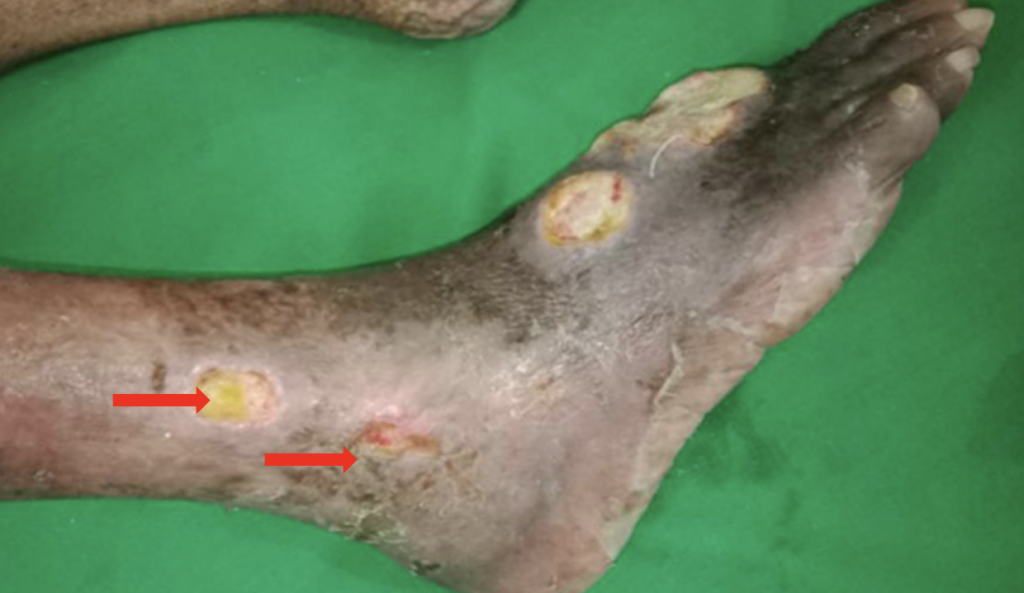
Thalidomide has been found to have a negative effect on wound healing by reducing wound healing rate by 10-20% in laboratory studies (Tamilarasan et al, 2006). Angiogenesis is a vital event in wound healing and this process is also thought to be inhibited by thalidomide. Thus, these laboratory findings should be applied when developing management […]
Evaluation of Technology Lipido-Colloid with silver (TLC-Ag) dressing Qinzhou (China): A case series
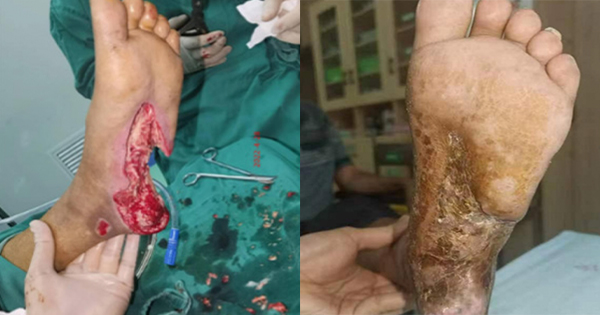
The World Health Organisation (WHO) states that open wounds have the potential for serious bacterial infections, which may in turn lead to long-term disabilities, chronic wounds, bone infections and death. Wound infections are particularly of concern when injured patients present late for care. It is suggested that appropriate management of injuries is important to reduce […]
First use of dehydrated human amnion/chorion membrane allografts in the treatment of hard-to-heal diabetic foot ulcers in Japan: a case series
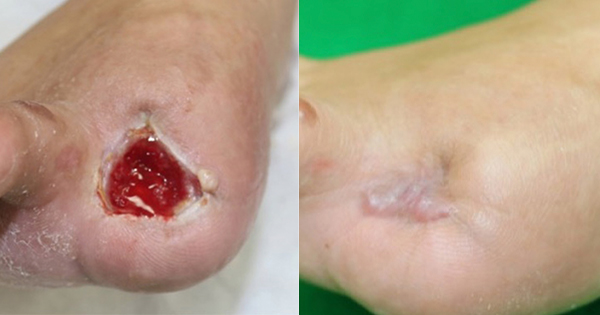
Across Asia, patients with type 2 diabetes mellitus are characterised by a lower body mass index (BMI) and a higher prevalence when compared to Western countries (Chan, 2013; Ma and Chan, 2013; Hsu et al, 2015). In 2019, the prevalence of diabetes in Japan was reported as 19.7% in men and 10.8% in women, with […]
Use of microcurrent adjunct wound therapy in a patient with peripheral vascular disease: A case study
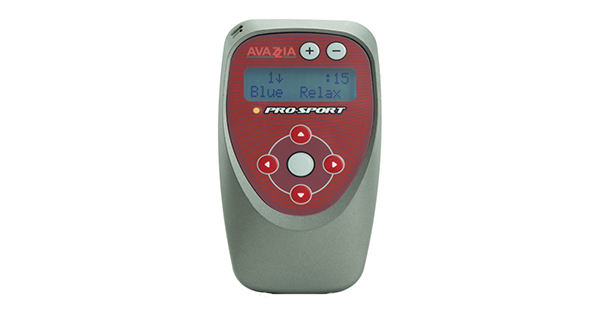
Peripheral vascular disease (PVD) is a long-standing progressive atherosclerotic disease affecting many major arteries (e.g. the abdominal aorta, iliac arteries and lower limbs), which can potentially lead to partial or total peripheral vascular obstruction (European Stroke Organisation et al, 2011). This results in major target organ damage, which can be fatal (Gul et al, 2022). […]
Use of Electroactivated Super-Oxidized Water (HYDROCYN aqua®)as a wound cleanser in the treatment of hard-to-heal wounds: a case series
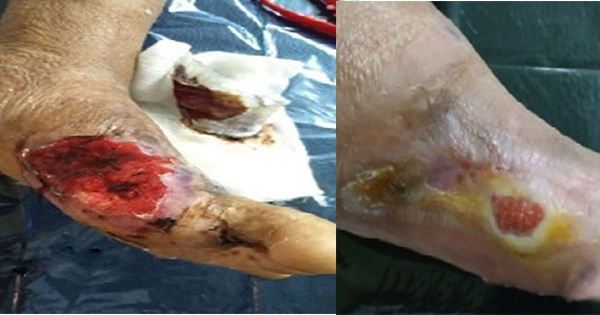
Hard-to-heal wounds are characterised as wounds that do not heal in an orderly and timely manner with normal care (Troxler et al, 2006; Milne et al, 2020). Infection is the most common reason for hard-to-heal wounds stalling during the inflammatory phase, and it has a significant social and economic impact, lowering the quality of life […]
Wounds Asia digest 6-1
In this section, we present brief synopses of a range of recently published articles that may be of interest to healthcare professionals working in the wound care setting. The aim of this round-up isto provide an overview, rather than a detailed summary and critique, of the research papers selected. Full references are provided should you […]