
Made Easy: The Role of the Australian Community Pharmacist in Acute Wound Care
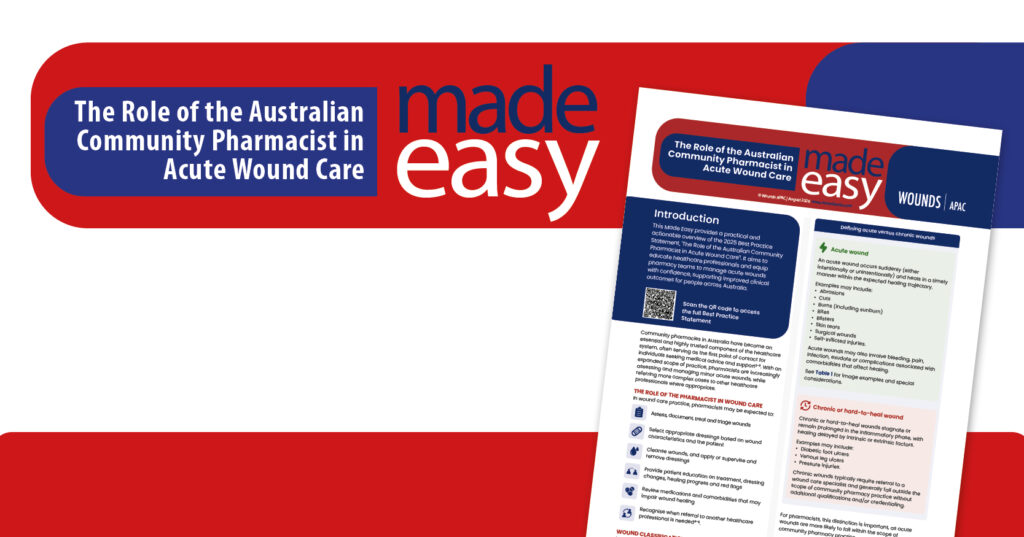
Community pharmacies in Australia have become an essential and highly trusted component of the healthcare system, often serving as the first point of contact for individuals seeking medical advice and support2–3. With an expanded scope of practice, pharmacists are increasingly assessing and managing minor acute wounds, while referring more complex cases to other healthcare professionals […]
Developing regional guidance and dissemination framework for burn wound treatment
Burn injury is a common worldwide problem: the World Health Organisation has stated that burns are the cause of approximately 180,000 deaths per year, with 11 million people experiencing burn injury annually (Radzikowska-Büchner et al, 2023). It has been estimated that almost half of all global burn cases occurred in Asia in 2019, with the […]
Management of burn wounds using Mepilex Ag
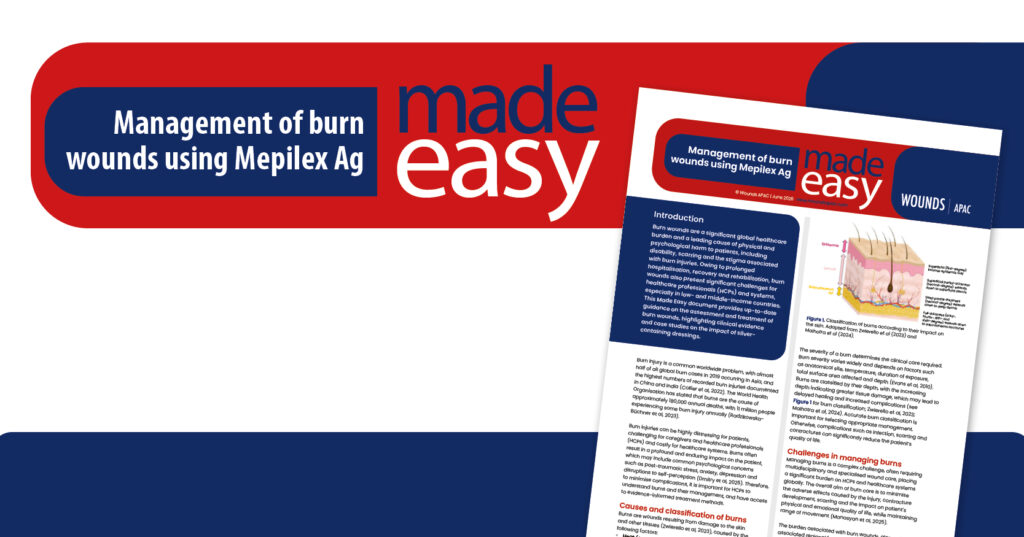
Burn injury is a common worldwide problem, with almost half of all global burn cases in 2019 occurring in Asia, and the highest numbers of recorded burn injuries documented in China and India (Collier et al, 2022). The World Health Organisation has stated that burns are the cause of approximately 180,000 annual deaths, with 11 […]
From evidence to practice: enhancing wound care standards across APAC
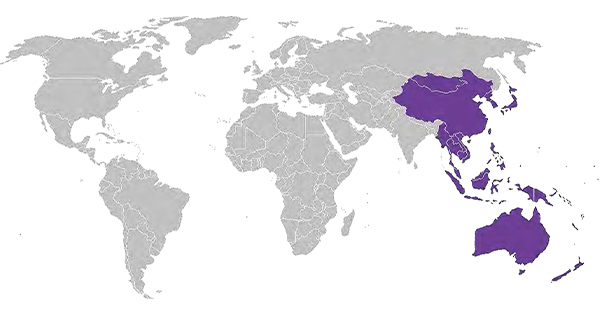
Dear distinguished readers, we meet again in another exciting edition of the Wounds APAC journal, which is the journal catering for the largest continent and the most populous region in the world with 4.7 billion people (United Nations, 2023). The open access of this journal is really a great thing as all healthcare professionals are […]
CERAB on a nonagenarian, surgical management for aortoiliac occlusive disease: A case report
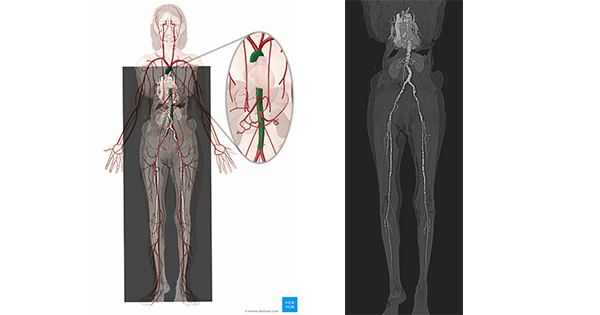
Aortoiliac occlusive disease is a type of peripheral artery disease that specifically impacts the infrarenal aorta and the iliac arteries. This condition leads to reduced blood flow due to narrowed lumens or the embolisation of plaques, which affects the organs located further downstream. Symptoms can vary widely, ranging from no symptoms at all to severe […]
Evaluating the role of nutritional supplementation in 50 patients with chronic wounds

Chronic wounds pose a significant clinical challenge, often exacerbated by malnutrition and systemic inflammation (Grada et al, 2022). The four stages of wound healing (haemostasis, inflammation, proliferation, remodelling) require intense energy and adequate nutrition. Timely identification of nutritional deficiencies is essential. In several studies, early nutrient supplementation has demonstrated benefits, including enhanced wound healing, reduced […]
The effectiveness of chitosan-based bioactive microfibre gelling (BMG™) dressing in postoperative wounds: A case series
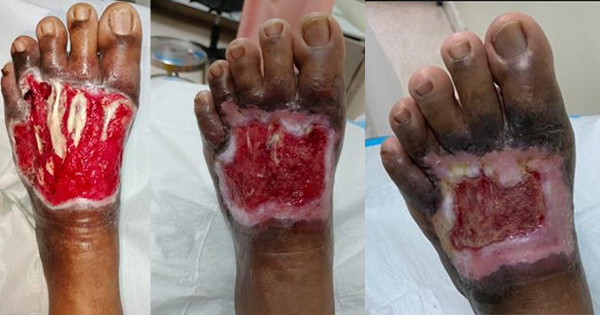
Bioactive microfiber gelling (BMG™) dressing is a type of wound dressing material that is made of up 100% chitosan, a natural polysaccharide derived from natural resources including shellfish, mushrooms and insects. It is derived from deacetylated chitin with a minimum of 50% of its amine groups in the free form (Zhang et al, 2020). Chitosan […]
Ten top tips: Augmented technological skin assessments — beyond the human eye
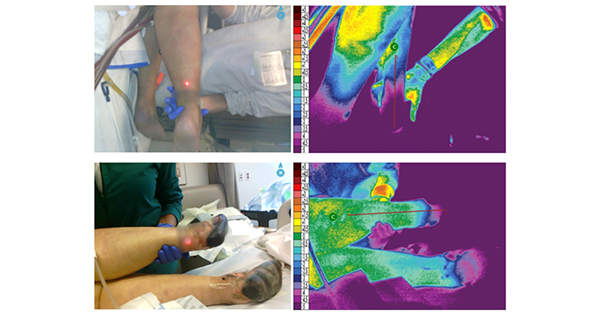
1 Cellular tissue changes from pressure and shear are not visible to the naked eye. The cellular level changes lead to inflammation and oedema, due to an abnormal increase of interstitial fluid at the area of injury. The reperfusion of blood into an ischaemic area leads to erythema and elevated temperature from the increased blood flow […]
Importance of maintaining skin integrity in the Intensive Care Unit
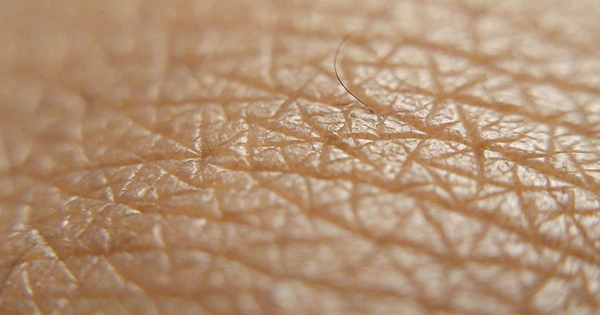
The skin, acknowledged as the largest organ of the human body, is composed of three anatomical layers: the epidermis, dermis and hypodermis. Through its intricate anatomical structure, it plays a pivotal role in maintaining numerous physiological processes. The epidermis, the outermost and visible layer, features a superficial sublayer called the stratum corneum (SC), which establishes […]
Maggot debridement therapy in South-east Asia: current progress and challenges

Maggot debridement therapy (MDT), also known as biosurgery or larval therapy, represents a biologically based approach to wound management that utilises sterile fly larvae to selectively debride necrotic tissue while promoting wound healing (Sherman, 2014). This therapeutic modality has gained renewed attention in modern medicine due to its selectivity, antimicrobial properties, and wound healing enhancement […]
From health economics modelling to artificial intelligence integration: understanding cost-effectiveness in wound care decision-making

Chronic wounds, including diabetic foot ulcers, venous leg ulcers, and pressure ulcers and injuries, are a major and growing challenge in modern healthcare. These wounds are often difficult to heal, prone to infection, and associated with prolonged treatment durations, frequent healthcare visits and considerable costs. As healthcare systems worldwide face increasing pressure to manage limited […]
The role of the Australian community Pharmacist in acute wound care
Australia’s large landmass (spanning over 7 million square kilometres) and uneven healthcare distribution create significant barriers to timely medical care, especially in rural and remote areas where services can be scarce, leading to poorer health outcomes compared to metropolitan regions (Australian Institute of Health and Welfare, 2016; Tehan et al, 2022). Long general practitioner (GP) […]
Quick Guide: Introducing Wound Balance in Australia
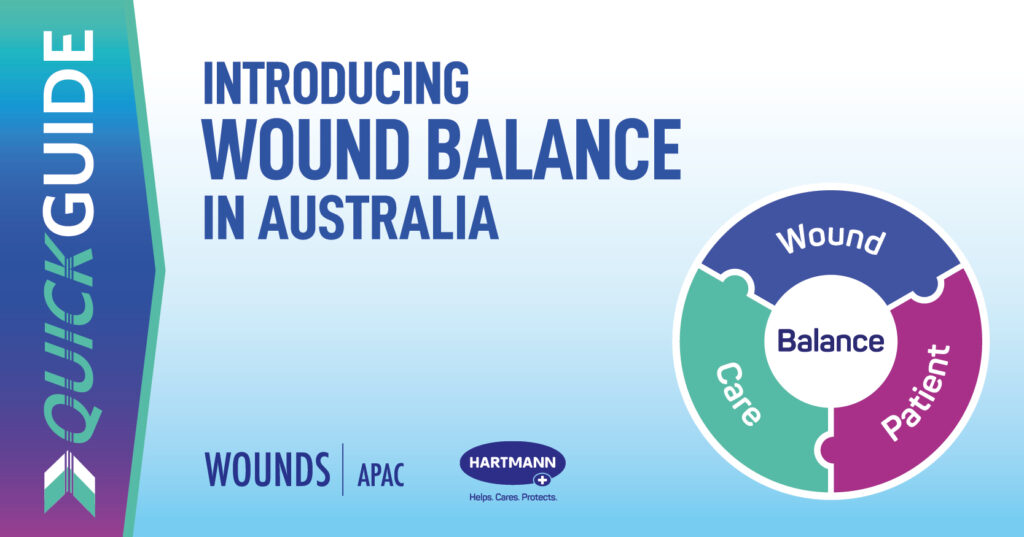
What is Wound Balance? The concept of Wound Balance is multifactorial; it is a concept that aims to integrate various critical parameters which offer continuity, individualised care and support clinical decision-making, to place the patient at the centre of all care. With patient goals being the priority, the focus shifts from managing wounds to healing […]
Conference season is upon us

Dear wound family, I sincerely hope you all are doing well and managing wounds with passion across the Asia Pacific region. Incidentally, there are 4.7 billion people in this region and so we certainly have our work cut out for us. We truly appreciate the great work that all the wound care professionals are doing […]
CACIPLIQ20®, a novel matrix therapy for non-healing wounds: a case series
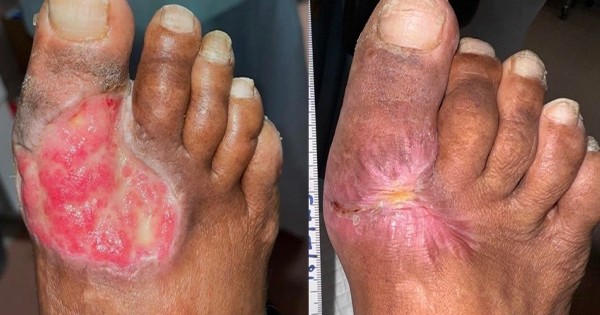
Chronic wounds, such as diabetic foot ulcers, venous leg ulcers and pressure injuries, present significant clinical challenges due to their prolonged healing times and increased risk of infection. These complex wounds often occur in patients with underlying conditions, such as diabetes, hypertension and vascular insufficiency, which impair the body’s natural healing processes. Effective management requires […]
Oxygen-enriched oleic matrix medical dressings for the treatment of extensive burns and related acute and post-burn complications in children: a case series
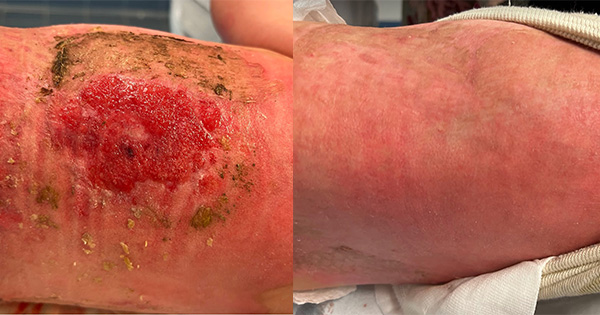
Burns are traumatic events that can be caused by several aetiological agents, including friction, cold, heat, radiation, chemical or electrical sources; however, most burns are caused by hot liquids, solids or flame (Jeschke et al, 2020). Burns cause tissue destruction due to the transfer of energy, which is in turn conditioned by the burning agent. […]
Successful management of wounds in individuals living with diabetes with a local treatment of polyabsorbent fibres with silver dressings and nano‑oligosaccharide factor dressings: a case series from Vietnam
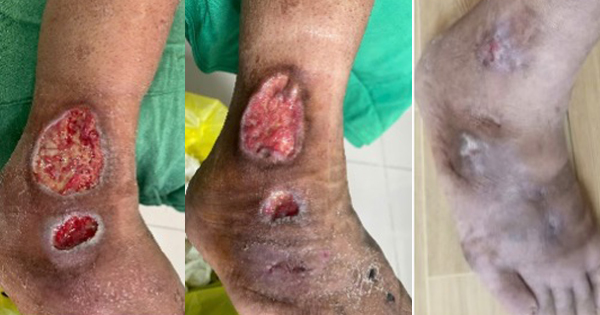
Diabetes is a complex metabolic disease that affects an ever-growing number of individuals globally — according to the World Health Organization (2024), the number of people with diabetes rose from 200 million in 1990 to 830 million in 2022, and about 25% of these people develop diabetes-associated wounds (Patel et al, 2018; Dasari et al, […]
Role of skin substitutes in the reconstruction ladder of polytrauma patients
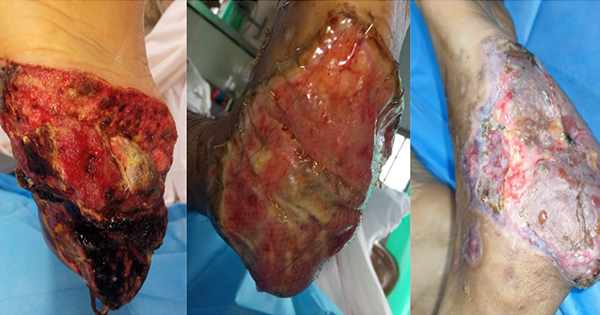
The skin, the body’s largest organ, has regenerative abilities, but in severe cases, it cannot heal on its own. While autologous skin grafts are commonly used, factors such as poor physiological condition and large wound size in polytrauma patients often limit their effectiveness. This creates a need for alternative solutions. Skin substitutes, which may be […]
The utilisation of negative pressure when standard wound care isn’t enough: accelerated healing with topical epidermal growth factor in a diabetic foot ulcer
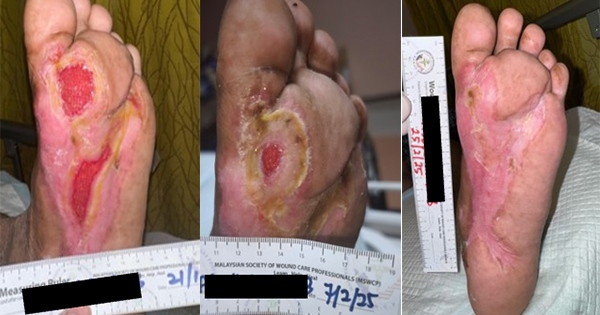
The global prevalence of diabetes among the adults in 2024 was 11.1%, according to IDF Diabetes Atlas (2025), impacting 589 million adults, and is projected to increase to 13%, affecting 853 million individuals by 2050. Diabetes mellitus is a chronic metabolic disorder linked to various systemic complications. Among its most common complication is the diabetic […]
Wound remodelling: approaches and techniques aimed at closure of wounds with an unfavourable base or edges
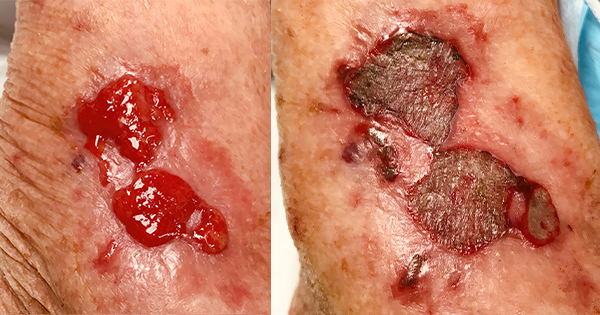
When the concept of TIMERS (tissue, infection/inflammation, moisture, wound edge, repair/regeneration, social) was introduced in 2019, it outlined the components needed for hard-to-heal wounds (Atkin et al, 2019). If wound edges were not favourable, wound edge excision and evaluation for the possible need for therapies to accelerate re-epithelialisation were recommended. TIMERS also introduced the new […]
Top ten tips: preventing and treating skin tears
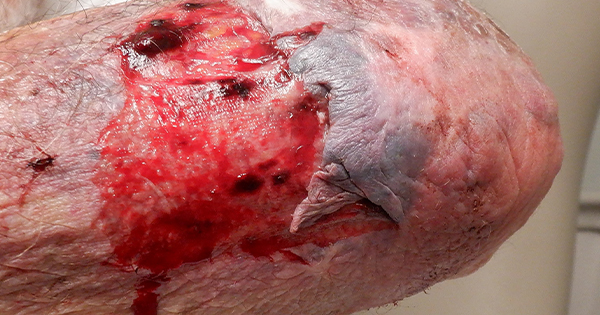
As we age, skin naturally becomes thinner and less resilient towards force. Therefore, older adults are at higher risk of getting skin tears and more severe skin tears than when they were younger. Keeping the skin moisturised will maintain its elasticity and strength. Use fragrance free and hypoallergic products. Read the label if unsure, because […]
2024: A year in review for Wounds APAC

In this last issue of the year, I would like to take the opportunity to reflect on an exciting year in wound care for the APAC region. In June, we published guidelines on Autolytic Continuous Debridement with a Focus on Biofilm Management: Consensus Document for the APAC Region, following a successful consensus meeting in Thailand. […]
Prevalence and clinical characteristics of wound care patients in the northernmost state hospital of Malaysia: a retrospective analysis
Wounds occur when there is damage to the integrity of biological tissue, including skin, mucous membranes and organ tissues (Vieira et al, 2018). Wounds can be classified as acute or chronic. A chronic wound is a wound that does not heal in an orderly set of stages over a period of 3 months (Bowers and […]
Encouraging exercise: the role of the ENCORE programme in supporting breast cancer care

An Australian is diagnosed with cancer every 4 minutes (Cormie et al, 2020). Physical activity and exercise has increasingly been recognised as a crucial component in the comprehensive care of individuals diagnosed with cancer. Misiąg et al (2022) stated: “Physical activity decreases the severity of side effects of cancer treatment, reduces fatigue, improves quality of […]
Dermatix — utilisation aids in wound healing: a case series
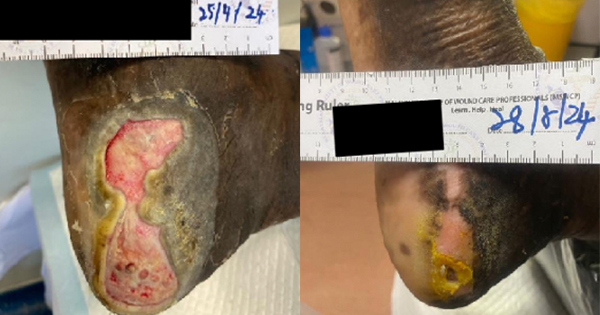
Chronic wounds, such as diabetic foot ulcers, venous ulcers and pressure injuries, present considerable clinical challenges due to their extended healing times and elevated risk of infection. These wounds are often linked to underlying conditions like diabetes, hypertension and vascular insufficiency, which disrupt the body’s natural healing mechanisms. Effective management of chronic wounds requires a […]
Modern dressings for a complicated post-Caesarean section wound infected with methicillin-resistant Staphylococcus aureus: a case report
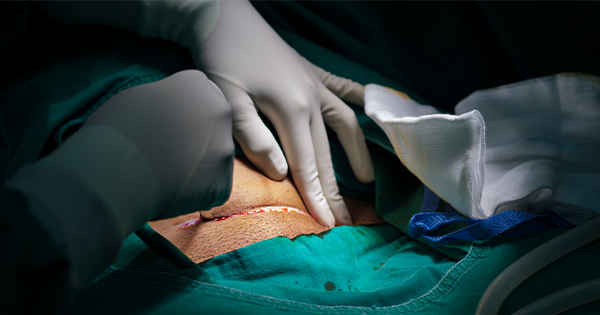
A Caesarean section is one of the most frequently performed operations in obstetric practice. This procedure saves the lives of the mother and baby by preventing maternal and perinatal morbidity and mortality (Alfouzan et al, 2019). The decision to proceed with Caesarean section should be made carefully because the surgery has risks and complications. One […]
A case series of QuoroGel as a primary wound dressing for the treatment of hard-to-heal wounds
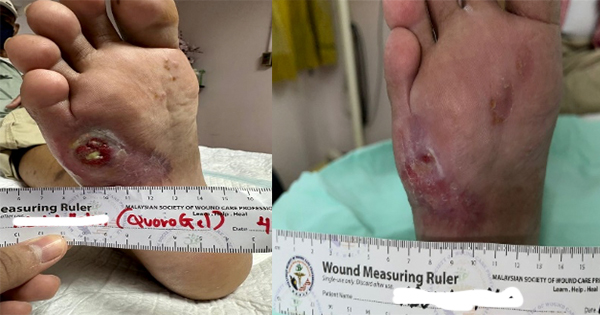
Chronic wounds remain a persistent challenge in clinical practice, often necessitating advanced therapeutic interventions to facilitate healing and mitigate infection risks. QuoroGel, a topical formulation incorporating Natural Bovine Collagen, Nano-Silver, EDTA and Vitamin C, represents an innovative approach to wound care. Bovine collagen provides a structural matrix that promotes cellular proliferation and collagen deposition, supporting […]
The utilisation of negative pressure wound therapy with instillation (NPWTi) in the management of complex wound — a Malaysian case series
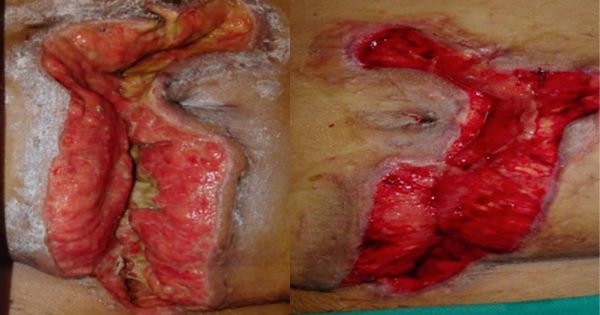
Advanced wound care has made major strides in addressing both acute and chronic wounds, responding to a dramatic increase in wound incidence worldwide. Chronic wounds impose a considerable human and economic burden, impacting individuals and society alike (Järbrink et al, 2017). With an aging population and earlier onset of chronic conditions, such as diabetes, this […]
An innovative approach of Fast’n Go™
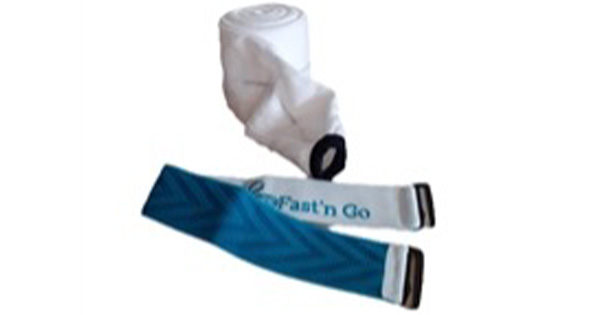
Lymphoedema is a chronic inflammatory condition that affects millions of people worldwide. It is characterised by the abnormal accumulation of tissue fluid resulting in oedema, fibrosis, and fatty tissue deposition. (Bowman and Rockson, 2024). In the Casley-Smith method of treating lymphoedema, bandaging is a core component of care (Casley-Smith and Casley-Smith 1997). Traditional bandaging can […]
Autolytic continuous debridement with a focus on biofilm management: Consensus document for the APAC region
Debridement is a key step in wound bed preparation (WBP), removing barriers to healing and facilitating successful treatment. Autolytic debridement—through topical treatment or wound dressings—may be an ideal option for many patients and their wounds. As well as removing dead tissue, slough and debris from the wound, continuous debridement can play an important role in […]